Unpacking Accessibility Features in Mobile-Friendly European Wheel Simulations That Require No Initial Commitment or Account Setup
Willa Fischer · Oct 11, 2026
Unpacking Accessibility Features in Mobile-Friendly European Wheel Simulations That Require No Initial Commitment or Account Setup
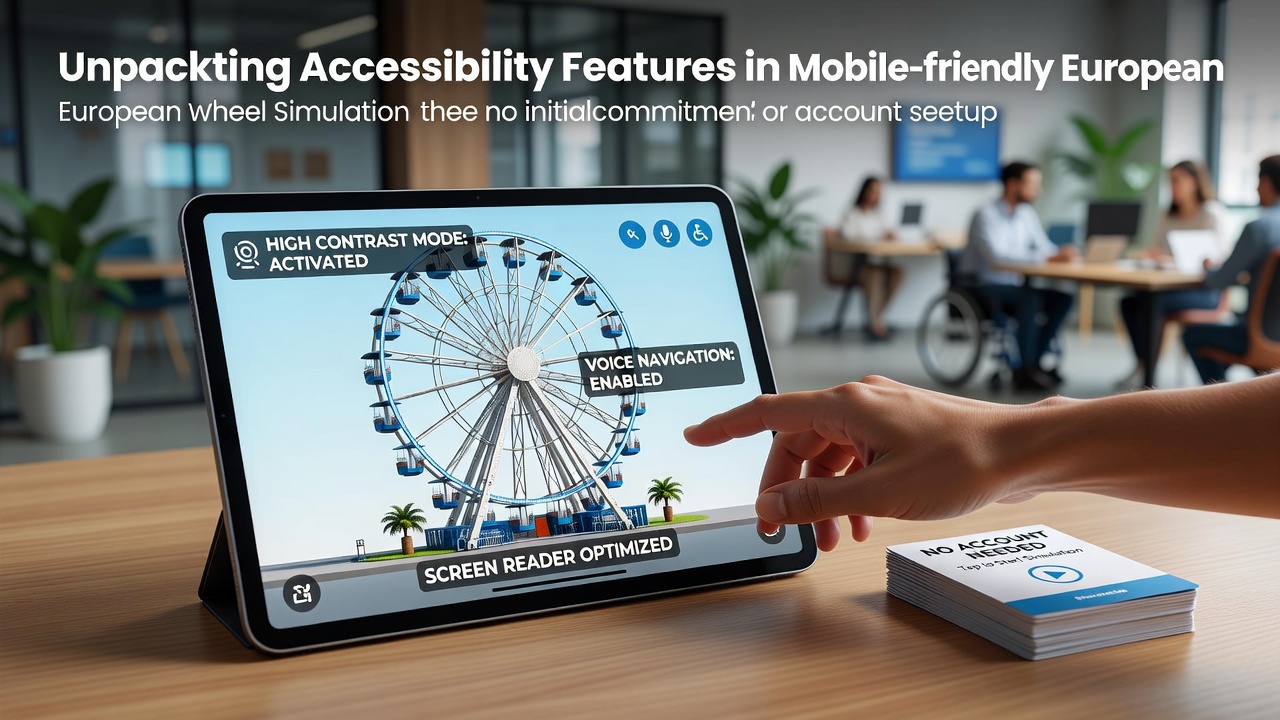
European wheel simulations operate as browser-based tools that replicate single-zero roulette mechanics, and many of these platforms deliver full functionality without requiring downloads, registrations, or deposits, which expands access for users across devices in October 2026. Research from the European Commission indicates that such no-commitment environments align with broader digital inclusion goals, allowing immediate interaction through standard web browsers on smartphones and tablets. Data shows that mobile optimization plays a central role here, since responsive design frameworks automatically adjust layouts to various screen sizes while maintaining wheel visibility and control responsiveness.
Core Mobile Accessibility Elements
Developers integrate touch-friendly controls that support gesture-based spins, and these features reduce reliance on precise mouse movements that some users find challenging on smaller screens. Studies from the Australian Institute of Health and Welfare reveal that high-contrast color schemes in these simulations help individuals with visual impairments distinguish between wheel segments and betting areas. Adjustable text sizes and scalable interfaces further support readability, while ARIA labels embedded in the code enable screen readers to announce outcomes and options accurately.
Keyboard and Navigation Support
Many simulations incorporate full keyboard navigation paths, so users can tab through betting options and activate spins without touching the screen at all. Observers note that this approach proves useful in environments where motor control varies, and it connects directly to WCAG guidelines that emphasize perceivable and operable content. Voice input compatibility appears in select platforms as well, letting players issue commands through device assistants while the wheel responds in real time.
Language selection tools sit alongside these elements, offering multiple European languages plus options for simplified text that assists those processing complex instructions. Figures from Canadian accessibility reports highlight how instant-load formats eliminate setup barriers, which often deter first-time users who prefer testing interfaces before any form of commitment.
Privacy and Low-Barrier Entry Points
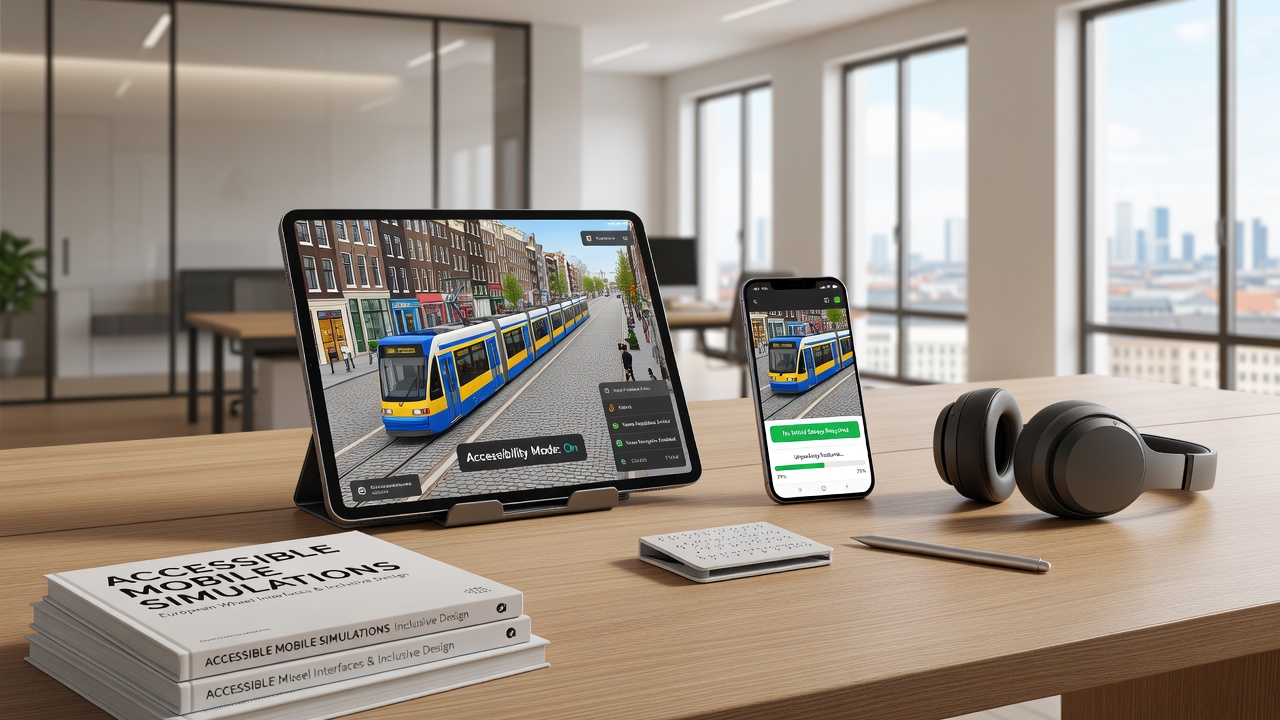
No-account requirements mean personal data stays off servers during initial sessions, and this setup appeals to users concerned about tracking in digital entertainment spaces. Industry reports from the European Gaming and Betting Association point to rising adoption rates of such instant-access models across mobile networks in 2026, with session lengths increasing when interfaces load quickly and function without logins. Color-blind modes and customizable contrast levels appear as standard toggles, allowing adjustments that keep the wheel and table elements distinct under different lighting conditions.
Audio cues supplement visual feedback in several simulations, delivering distinct sounds for wins, losses, and wheel spins that support users who rely on auditory signals. Researchers at the University of Melbourne have documented how these layered feedback systems improve task completion rates among diverse participant groups during controlled testing. Mobile data efficiency also factors in, since optimized code keeps data usage low even during extended play periods on cellular connections.
Regional Trends and Standards Alignment
Platforms targeting European audiences often reference EN 301 549 standards that govern public sector digital accessibility, and private developers apply similar principles to reach wider audiences. In October 2026, updates to mobile operating systems have prompted further refinements in touch target sizing and gesture alternatives, ensuring wheel controls remain usable across iOS and Android updates. One study revealed that simulations meeting these criteria see higher return visits because users encounter fewer technical obstacles from the start.
Cross-device synchronization options let players begin on a phone and continue on a tablet without losing progress, although no-commitment rules typically reset sessions after closure. Data indicates that such continuity features enhance overall engagement while preserving the zero-setup promise that defines these environments.
Conclusion
Accessibility in these mobile-friendly European wheel simulations centers on immediate entry combined with technical supports that address visual, motor, auditory, and cognitive needs. Evidence from multiple regulatory and research bodies demonstrates measurable progress in interface design that removes traditional hurdles, and continued alignment with international guidelines sustains broader participation across user groups.