Browser-Based Wheel Simulations Rooted in Continental European Designs
Bianca Fischer · Oct 25, 2026
Browser-Based Wheel Simulations Rooted in Continental European Designs
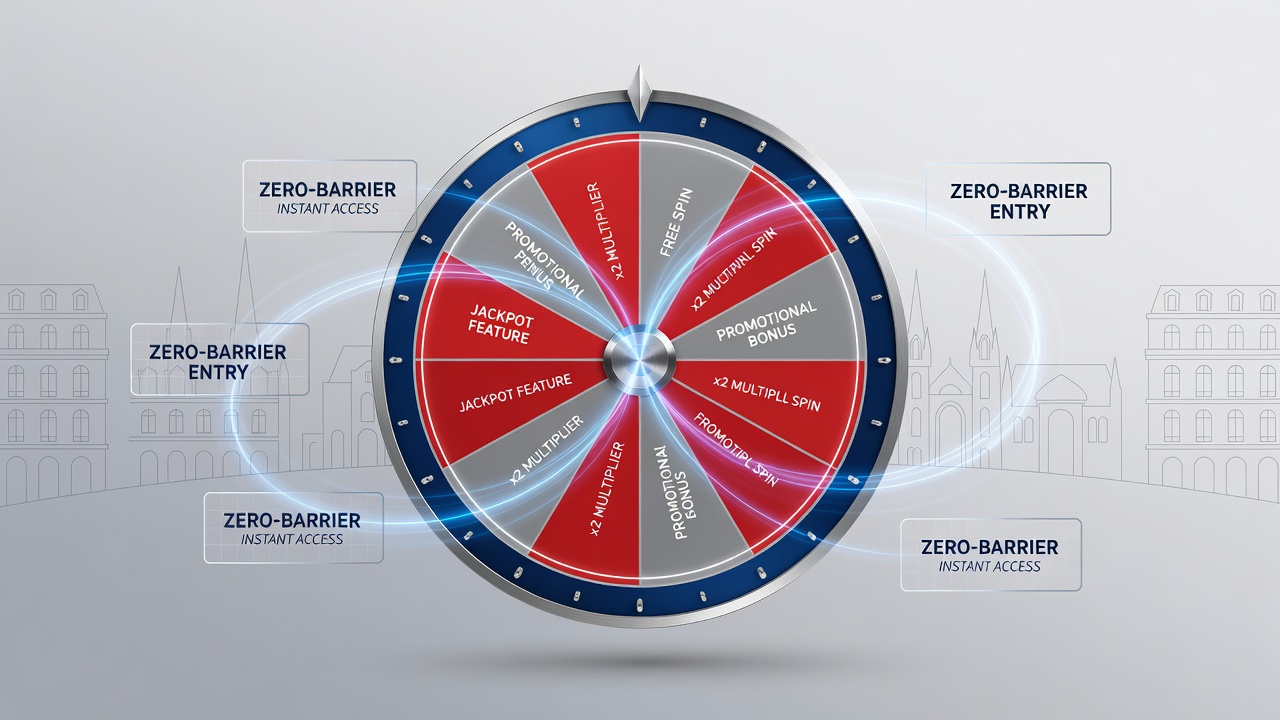
Browser-based wheel simulations draw directly from continental European roulette traditions that emphasize single-zero layouts and specific betting grids developed in France and Germany during the 19th century, and these digital versions allow users to access the mechanics instantly without downloads or accounts. The designs preserve core elements such as the 37-pocket wheel and neighbor bets while adapting them to zero-commitment platforms that operate through standard web browsers.
Historical Design Foundations in Digital Formats
Continental European wheel variants reached online environments through adaptations that maintain the original pocket arrangements and payout ratios, whereas American double-zero versions followed separate development paths. Researchers tracking platform evolution note that French-style simulations gained prominence because the single-zero structure creates different probability distributions compared to other regional formats. Data from industry monitoring shows steady growth in browser implementations of these designs across multiple jurisdictions by October 2026.
Jackpot Integration Pathways
Jackpot features in these simulations connect to progressive pools funded through aggregated contributions from multiple sessions, and players enter via specific betting combinations that trigger eligibility without requiring deposits. Engagement occurs when users select wheel segments or side bets that feed into shared accumulators, creating visible prize growth on the interface. Observers note that continental designs incorporate neighbor bets and call bets that feed directly into jackpot triggers, allowing pathways that differ from simpler outside-bet structures.
Figures from regulatory filings indicate that jackpot visibility on browser platforms increases session duration metrics, while the zero-barrier entry removes financial thresholds that traditionally limited initial participation. One study of European gaming patterns revealed that progressive elements tied to wheel simulations attract repeated visits through displayed prize ladders updated in real time.
Promotional Structures and Accessibility
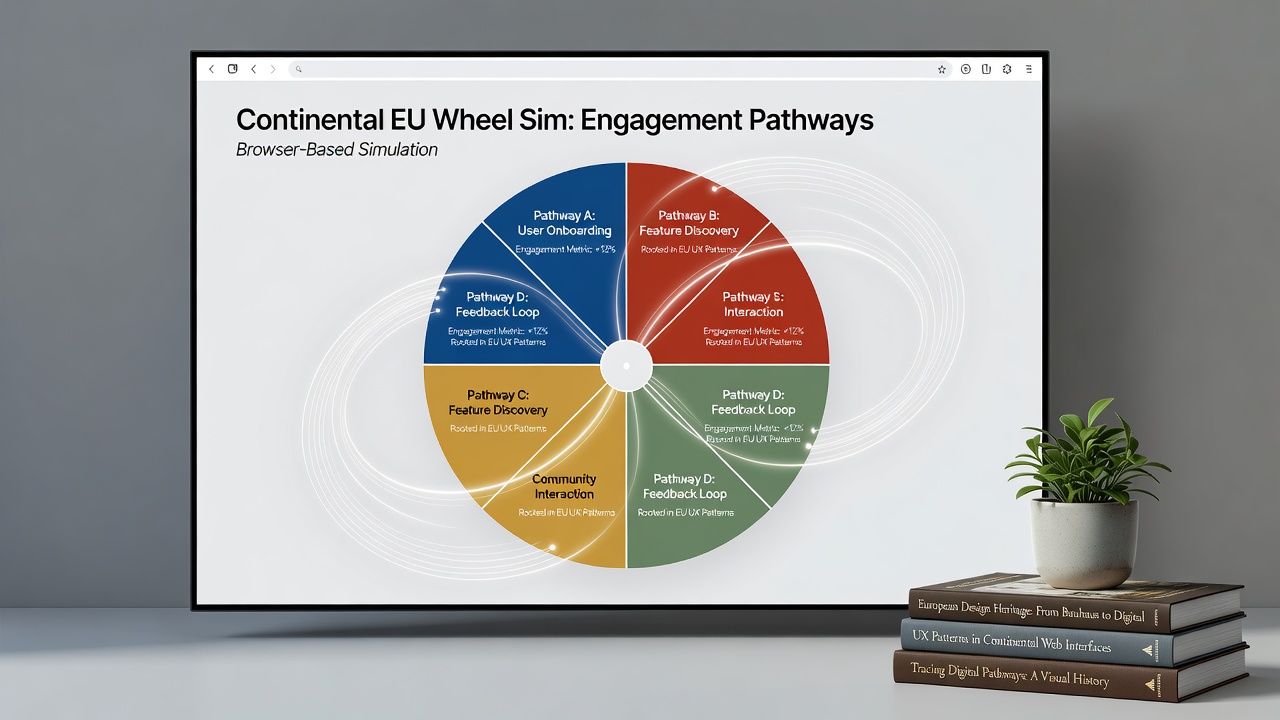
Promotional structures in zero-barrier environments rely on time-limited multipliers and free-spin equivalents that attach to wheel spins without registration, and these incentives appear as interface prompts that users activate through standard navigation. Platforms rooted in continental designs often embed promotional credits that align with specific bet types such as the voisins or orphelins, maintaining thematic consistency with the underlying wheel mechanics. According to reports from the Autorité Nationale des Jeux, such structures must comply with transparency requirements that display terms directly within the simulation window.
Engagement pathways expand when promotional offers link to jackpot eligibility, creating combined routes where users progress from free spins into pool contributions without additional steps. Data compiled by the Australian Communications and Media Authority shows similar patterns in cross-regional comparisons of instant-play formats, where promotional layering correlates with higher interaction rates in browser environments.
Tracing User Navigation Patterns
Users typically enter through direct browser links that load the wheel interface immediately, then encounter jackpot meters positioned alongside the betting grid. From there, navigation branches into standard inside bets or promotional side features that feed the progressive system. Those who study these platforms document that continental European layouts encourage longer exploration because the additional betting options create multiple entry points to jackpot participation.
October 2026 updates to several browser platforms introduced clearer visual mapping of promotional pathways, allowing users to trace how specific bets contribute to both immediate payouts and accumulated jackpots. Evidence from platform analytics indicates that these mappings reduce drop-off rates between initial access and jackpot engagement.
Conclusion
Browser-based wheel simulations grounded in continental European designs continue to evolve through jackpot integrations and promotional layers that function within zero-barrier constraints. The pathways users follow connect historical wheel mechanics with modern digital incentives, supported by regulatory oversight from bodies such as the Autorité Nationale des Jeux. Continued monitoring through October 2026 and beyond will document how these structures maintain accessibility while incorporating progressive elements across instant-play environments.